
Government Guidance on Skylight Selection
Understanding the technical recommendations from the U.S. Department of Energy helps homeowners make informed decisions about skylight sizing and placement for optimal daylighting benefits.
Latest developments in skylight technology, home improvement trends, and building industry standards
Staying informed about developments in roofing, skylights, and residential home improvement
Building codes and energy standards continue to advance, reflecting improved understanding of thermal performance and climate-responsive design. Homeowners upgrading to newer skylights benefit from improved insulation values and solar heat gain control that significantly reduce household energy consumption compared to older installations.
Modern skylights feature advanced glazing technologies including low-emissivity coatings, multiple panes with insulating gas fills, and thermally broken frames. These improvements directly address historical problems where skylights were known as thermal weak points in residential envelopes.
For detailed information about current standards, visit the ENERGY STAR Skylights Program, which provides up-to-date certification requirements and product information for homeowners evaluating upgrade options.


The roofing industry maintains rigorous technical standards that directly impact skylight performance and longevity. Proper integration of skylights within roofing systems requires adherence to established guidelines for flashing design, structural support, and weatherproofing.
The National Roofing Contractors Association (NRCA) provides comprehensive technical resources addressing proper skylight installation, design wind load calculations, and integration with various roofing materials and methods. These standards establish benchmarks for professional workmanship and prevent costly failures from improper installation.
Following NRCA standards ensures that skylight installations remain watertight and functional throughout their intended service life, protecting building interiors from water intrusion and structural damage.
In-depth exploration of skylight technology, performance standards, and industry developments
Understanding the technical recommendations from the U.S. Department of Energy helps homeowners make informed decisions about skylight sizing and placement for optimal daylighting benefits.

Learning from roofing industry best practices ensures skylights are installed with proper flashing and integration, preventing the water damage that causes expensive interior repairs.
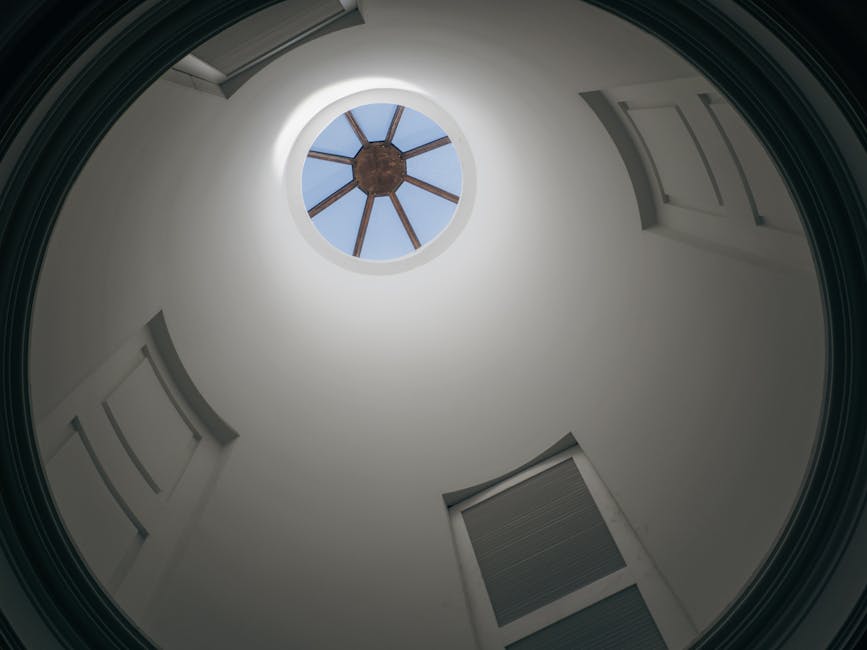
Certified energy performance ratings from the National Fenestration Rating Council provide standardized metrics for comparing products and ensuring proper climate-zone selection.
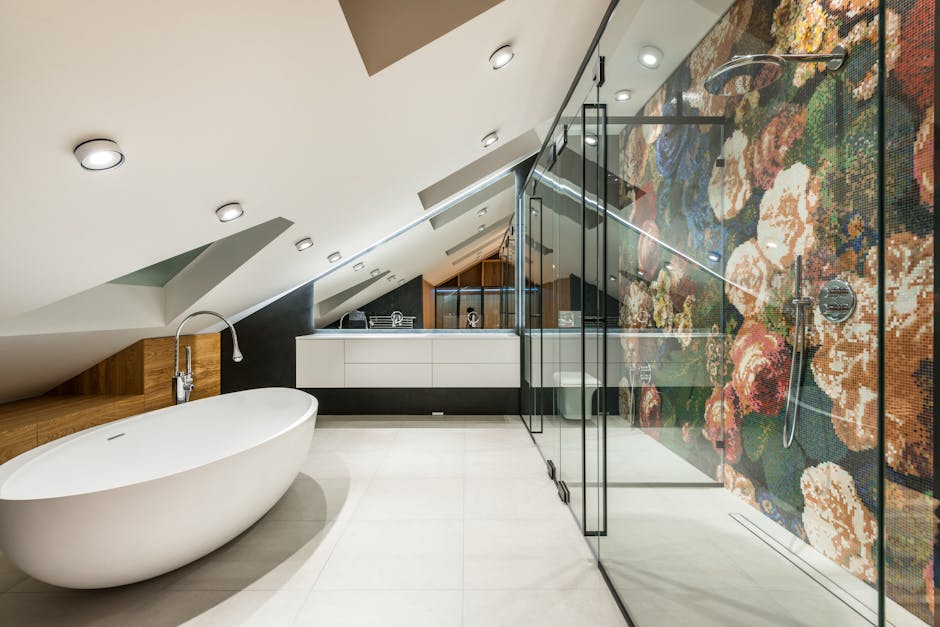
Innovative duct-based daylighting systems provide distributed natural light to interior spaces without the structural requirements of traditional skylights.
Homeowners may qualify for tax benefits when upgrading to energy-efficient skylights
Federal government programs support home energy efficiency improvements through tax credits for qualified products. When homeowners install certified energy-efficient skylights that meet federal standards, they may qualify for significant tax deductions on their annual returns.
Qualification requires proper documentation proving product certification and installation by professional contractors. The ENERGY STAR program maintains current information about eligible products and documentation requirements.
Professional installation services typically include handling tax credit documentation and can guide homeowners through qualification requirements. This financial incentive makes energy-efficient skylight upgrades more accessible by reducing net project costs.

Contemporary approaches to natural lighting and residential design
Modern design increasingly emphasizes maximizing natural light through strategic skylight placement. Research demonstrates circadian rhythm support from natural light exposure improves resident well-being.
Contemporary skylights integrate advanced glazing and thermal controls, allowing natural light benefits without the energy penalties of older installations. Climate-appropriate product selection minimizes thermal impact.
Architectural trends favor skylights as primary design elements that enhance interior spaces. Strategic positioning considers aesthetic impact alongside functional daylighting and energy performance.
Understanding certified energy ratings for windows, doors, and skylights

The National Fenestration Rating Council (NFRC) establishes certified energy performance ratings that provide objective metrics for comparing skylights and other fenestration products. These ratings measure U-Factor (thermal insulation) and Solar Heat Gain Coefficient (SHGC), allowing homeowners to evaluate products objectively.
NFRC labels appear on quality skylights and provide crucial information for climate-appropriate selection. Products rated for northern climates differ from southern-climate products in their solar control characteristics. Professional guidance ensures selection of products optimized for specific regional conditions.
Third-party testing and verification ensure rating accuracy, providing confidence that performance claims are independently verified rather than manufacturer estimates.
Key principles for successful skylight projects
Professional installation begins with thorough structural evaluation, existing roofing condition assessment, and identification of potential water intrusion points. This foundation determines appropriate solutions.
Product selection must match regional climate patterns. Northern climates require high insulation values (low U-Factors), while sunny regions prioritize solar control (low SHGC) to prevent unwanted heat gain.
Proper flashing installation—including headwall, step flashing, saddle flashing, and counter flashing—creates the waterproof envelope protecting roof structures from water intrusion.
Installed skylights must not disrupt existing roof ventilation systems. Vapor management requires careful duct routing and insulation placement to prevent condensation and moisture problems.