Skylight Articles & Guides

Expert insights on skylight selection, installation, maintenance, and energy efficiency for your home

Understanding Skylights

Comprehensive guides to help you make informed decisions about skylight installation and maintenance

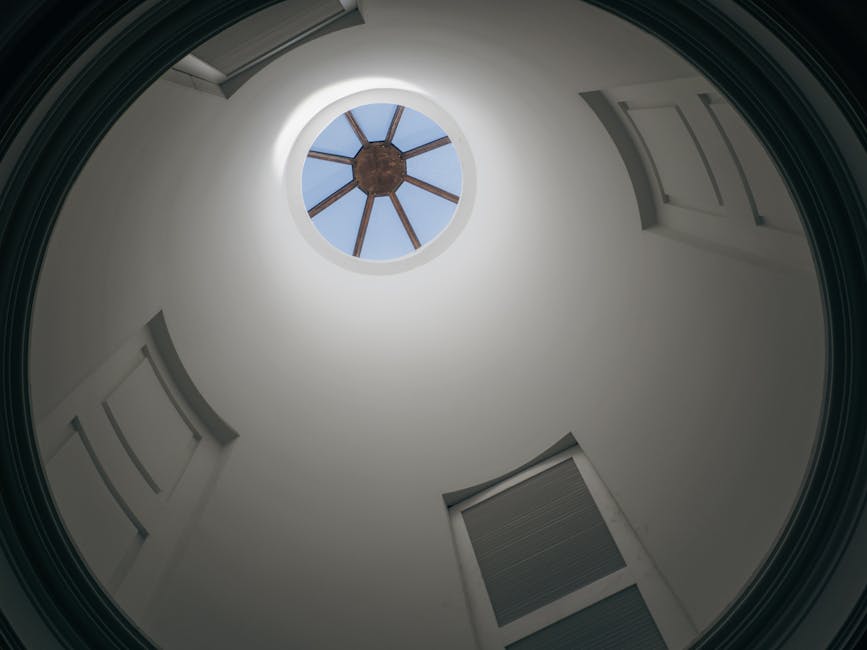
Modern skylight with natural light streaming through
May 2026

Energy-Efficient Skylight Selection Guide

Selecting the right skylight involves understanding energy performance ratings, proper sizing, and climate-specific considerations. Learn how to evaluate options that balance natural light with thermal efficiency.

Read Article


Professional contractor performing repairs on building
May 2026

Diagnosing and Preventing Leaks

Water intrusion through skylights is a common issue with preventable causes. Understanding proper installation, flashing techniques, and maintenance practices can help avoid costly damage to your home.

Read Article

Skylight Energy Efficiency

Making informed choices about skylight performance and climate suitability

Understanding Energy Performance

When evaluating skylight options for your home, energy performance is a critical factor that directly impacts your utility costs and comfort year-round. Modern skylights are rated using standardized metrics that help homeowners compare products objectively.

According to the U.S. Department of Energy, properly sized and positioned skylights can significantly improve a home's daylighting while maintaining energy efficiency. Their guidelines recommend skylights cover 5 to 15 percent of a room's floor area for optimal natural light without excessive heat gain or loss.

The key is finding the right balance. Too small, and your skylights won't provide meaningful natural light. Too large, and they become a thermal liability unless properly selected for your climate. Professional installers understand these nuances and can recommend appropriate sizing based on your location, roof orientation, and local weather patterns.

Climate Zone Considerations

  • Northern climates benefit from higher solar gain to offset heating costs
  • Southern regions need low-solar-gain options to minimize cooling demands
  • Mixed climates require balanced performance across seasons
  • Altitude and atmospheric conditions affect performance ratings
Beautiful natural light through skylight in modern home

Certified Energy Star Products

Understanding product ratings and certifications for smart skylight selection

Performance Ratings

ENERGY STAR certification indicates skylights meet rigorous energy performance standards. These products are independently tested and verified to deliver measurable energy savings.

Savings Potential

Upgrading to certified skylights can reduce household energy costs and may qualify for federal tax credits. Savings vary by climate zone and existing conditions, but certified products consistently outperform standard options.

Third-Party Verification

All certified skylights undergo independent testing to verify claimed performance. This transparency allows homeowners to compare products with confidence based on actual measured values rather than manufacturer claims alone.

Long-Term Value

While certified products may have higher upfront costs, their energy savings typically recover the premium over the life of the skylight. Combined with tax credits, the financial case is compelling.

For more detailed information about selecting energy-efficient skylights for your climate zone, visit ENERGY STAR's Residential Skylights Guide. Upgrading to certified products can reduce household energy costs and may qualify for federal tax credits.

Installation and Maintenance

Best practices for long-lasting, leak-free skylight performance

Professional skylight installation showing architectural detail

Professional Installation Matters

The most common cause of skylight problems is improper installation. Even high-quality skylights can fail if flashing, sealing, and integration with roofing systems aren't done correctly. Professional installers understand the critical details that prevent water intrusion.

Common Installation Issues

  • Inadequate flashing around roof penetration
  • Improper sealing of seams and joints
  • Incompatible flashing materials for your roof type
  • Failure to account for thermal expansion and contraction
  • Incorrect positioning relative to roof peaks and valleys

Maintenance for Longevity

Regular maintenance extends skylight life and prevents problems before they develop. Annual inspections should check for:

  • Debris accumulation around flashing
  • Caulking condition and deterioration
  • Signs of water staining inside
  • Condensation patterns that suggest moisture issues
  • Frame and seal integrity

Expert Resources

Industry standards and authoritative guidance for skylight evaluation

Department of Energy Guidelines

Government resource covering skylight types, energy efficiency glazing technologies, installation best practices, optimal sizing calculations, and slope recommendations for thermal performance. Essential reading for understanding daylighting benefits and energy implications.

Visit DOE Resource

ENERGY STAR Certification Program

EPA-administered certification for energy-efficient residential skylights. Covers climate zone requirements, documented energy savings (up to 13% on household bills), federal tax credit eligibility, and guidance for comparing products. Industry-standard certification that homeowners recognize and trust.

Explore ENERGY STAR

Ready to Learn More?

Whether you're considering skylight installation, addressing existing issues, or simply want to understand how skylights can improve your home, our team has the expertise to guide you through every decision.

Get in Touch